Can Window Glass Be Replaced on a Foggy Marine Layer Morning
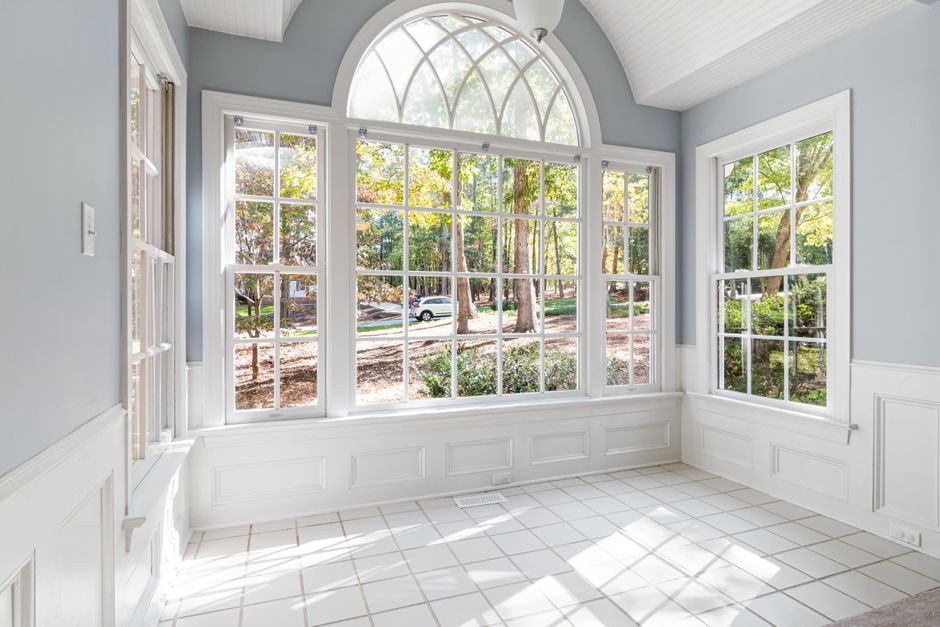
Reading the Coastal Schedule
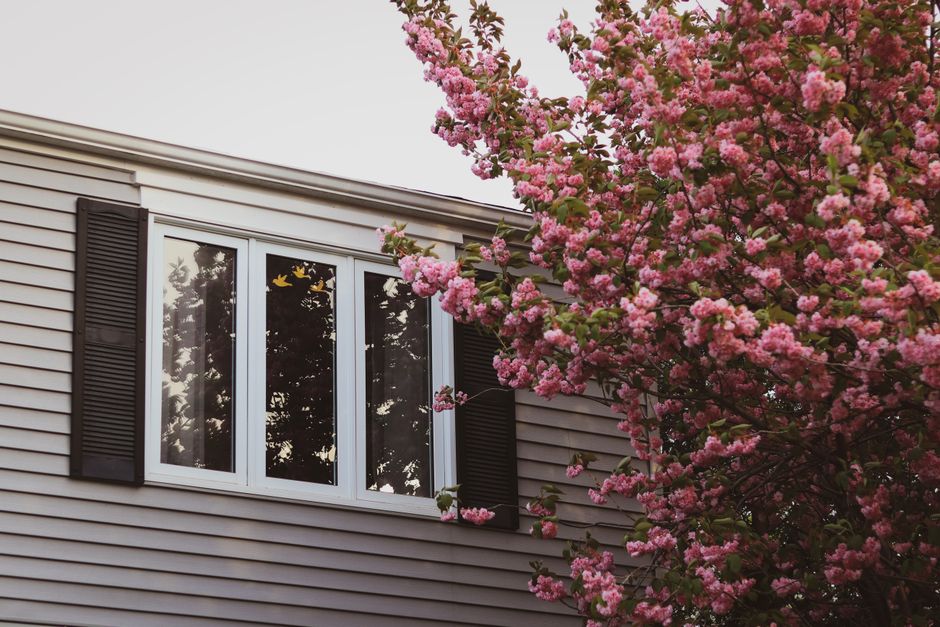
Installers on the coast watch the burn off rather than the clock. The marine layer rolls in overnight over places like Agua Hedionda Lagoon and Batiquitos Lagoon, and it leaves a film of moisture on every surface by dawn. A vinyl window or an aluminum window sitting in that damp air will bead up the same way, and silicone sealant will sit there skinning over slowly instead of grabbing the joint.
The trick is working with the day, not against it. A double pane unit pulled from a sunny wall can be hot enough to burn, and the aluminum frame expands just enough that a measurement taken inside does not match the opening once the sun moves. That is why we confirm the reveal on the actual opening, not off a diagram.
Curing in Cool Air
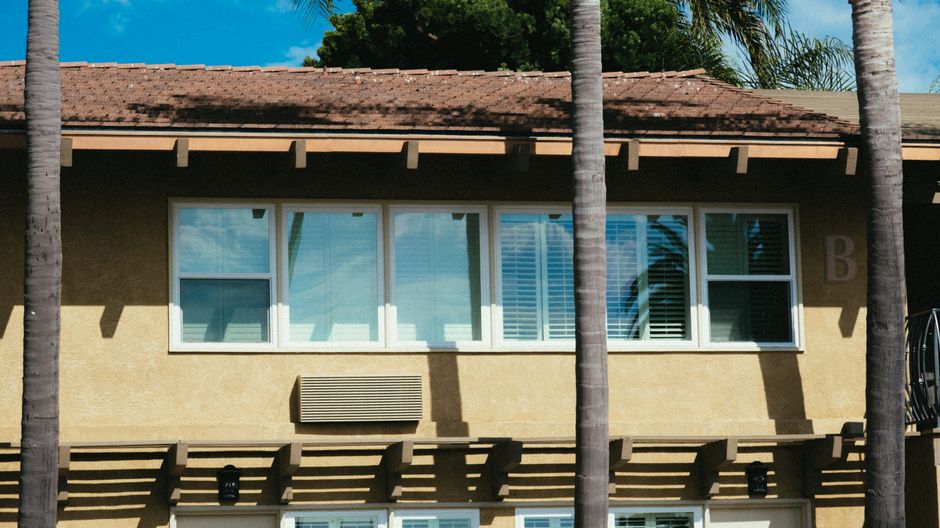
Most silicone sealants cure by pulling moisture from the air, so cool morning temperatures slow the skin over and the full cure. A freshly run bead in the shade near Carlsbad State Beach may take longer to firm than the same bead in full sun by Interstate 5, and that difference changes the schedule.
This is why large panes go in during calmer hours. Strong wind makes handling a picture window or a bay window harder, and it pushes sand and debris into fresh sealant before it sets. A small sample overstates the edge, so the best work waits for a window in the weather that lasts long enough to let the joint settle.
When the Glass Shows Up Late
Custom insulated glass is made to order, so the replacement rarely happens on the same day as the measure. The site is secured with a temporary board or clear sheet, and the opening is taped and flagged so the second visit matches what was measured.
That delay means the pocket dries twice, once when the old unit comes out and again when the new one is set. Wiping the glazing pocket and waiting for the frames to dry before applying sealant or tape is not just habit, it is the difference between a seal that holds and one that peels.
Materials in the Marine Air
A fiberglass window holds heat differently than a wood window or a clad window, and each frame material expands and contracts at its own rate. Double hung and casement hardware set into an aluminum window will shift if the seal fails, and a slider or awning unit will drag its weather seal if the frame has twisted while curing.
Composite frame joints need a cleaner surface than a standard vinyl window, because the bond carries more load. We run a fingertip along the joint before sealing, and if it feels damp we wait. The marine layer does not excuse sloppy work, it just makes the waiting visible.