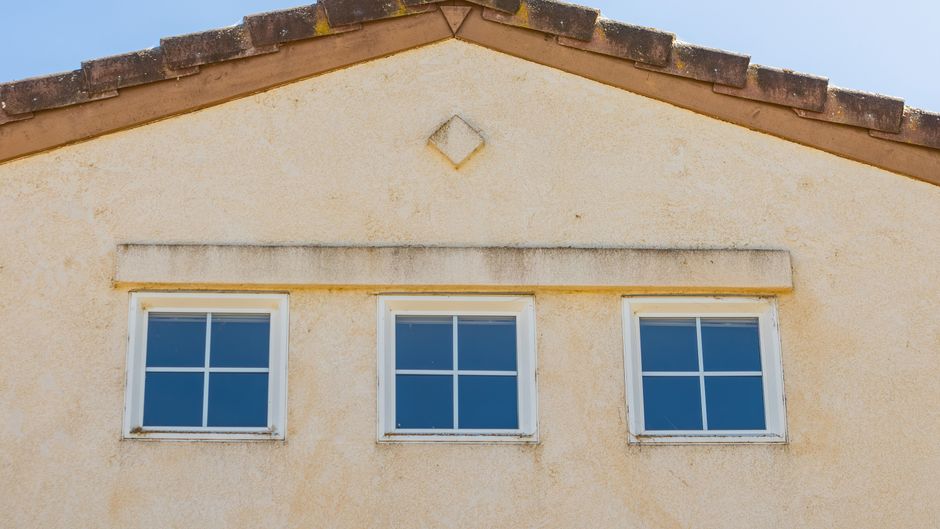
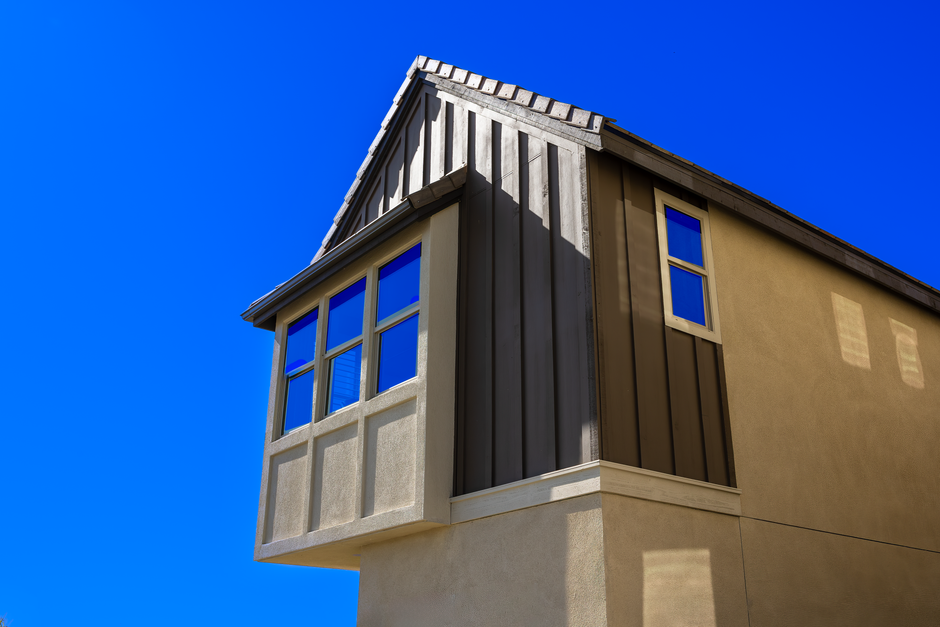
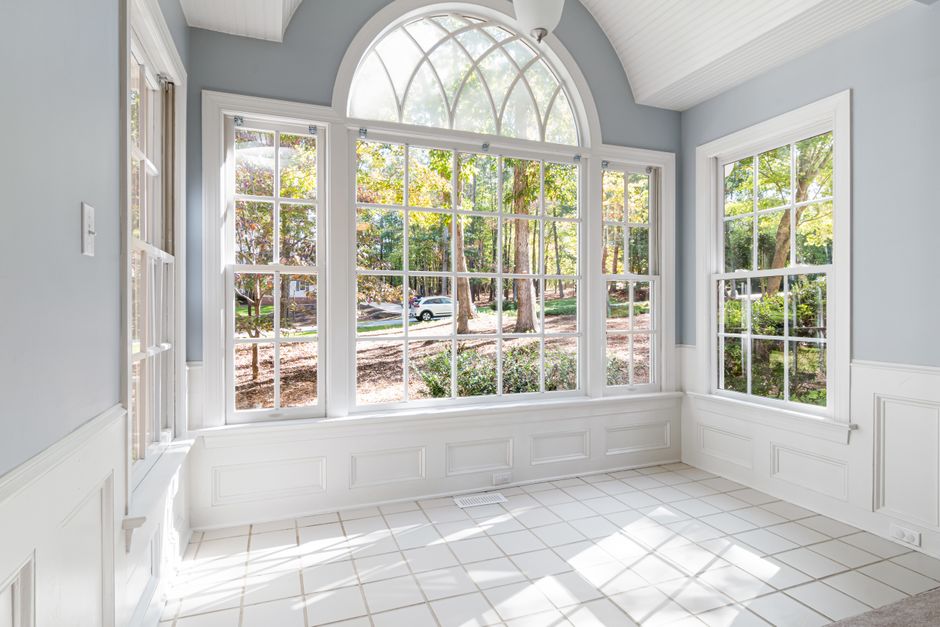
Most glass work only needs to be opened up if the frame stands up square and solid, the sash moves on its tracks or hinges without binding, and the weatherstrip still bites when the window closes. A wood window that is rotting at the jamb, a vinyl window that has bowed past the reveal, or an aluminum window with corrosion eating through the rails points toward pulling the whole unit instead. A lot of double hung and casement frames in Carlsbad, CA sit tight for a glass only job, but checking the corners and the operation speed rules before ordering glass.
Cracks and glass type
A crack that starts at the edge and runs inward as a single line usually means thermal stress, while a spiderweb or a starburst radiating from a point means impact. Cracked window glass gets replaced, because a pane cannot be patched back to its original strength the way a windshield sometimes is. Sliders and many large picture windows are tempered, so the replacement glass has to match that safety type, not the Annealed stock pulled from the off cut bin. A bow window in the front bay of a home near Carlsbad State Beach still calls for matching glass thickness and coatings, even if only the insulated glass unit is swapped.
Glazing and seal work
Glazing is how the glass is held, and it shows whether the job was done right. Tape, sealant, or both, each method leaves a different gap path for water and air. A careful installer will set the new insulated glass with a small sample bead over the edge, press it flush, and wipe the excess so it does not overstate the reveal. The frame is reused if it is solid, and the estimate should say so before the glass is cut.
What to ask before sign off
A careful estimate states glass type, thickness, coatings, and whether the frame is reused, because skipping those marks turns a repair into a redo. Ask whether the new insulated glass unit carries a written warranty on the seal, and confirm how the unit will be glazed, whether with tape, sealant, or both. Homes along Agua Hedionda Lagoon and Batiquitos Lagoon live with a salt marine layer that eats softer putty faster, so glazing choice and seal life matter more than the color of the frame. Fiberglass and clad windows take sealant better than raw wood, and composite frames hold dimension under that coastal heat better than aluminum window sections that expand and contract.
Matching the existing
The glass replacement has to match what is already there, including thickness and Low E coatings, or the whole pane swaps tint compared to the neighbors. Double pane units usually run two sheets with a spacer, so a single pane swap leaves the edge seal exposed and drafts the room. Slider tracks and single hung channels need the sash rebalanced after glass changes, especially on larger picture windows where the weight shift makes the panels bind on the rollers. Checking that balance during the install, not after, keeps the window operating the same way it did before the glass was cut.
Signs the whole window needs to come out
Rot at the jamb, warped tracks, or a sash that drops uneven once the glass is out means the frame is beyond saving, and a glass only job wastes time. A wood window that is solid but painted too many times hides rot under the sash stop, and cutting that open often reveals the rails are soft enough to dent with a screwdriver. Vinyl window corners that have separated on one side transfer stress to the glass, so a new insulated glass unit will rattle loose again unless the frame is replaced. Closer to Interstate 5 and Encinitas, older aluminum window frames from the 1970s fail at the thermal break, so swapping just the glass lets heat and marine layer moisture sit against bare metal.